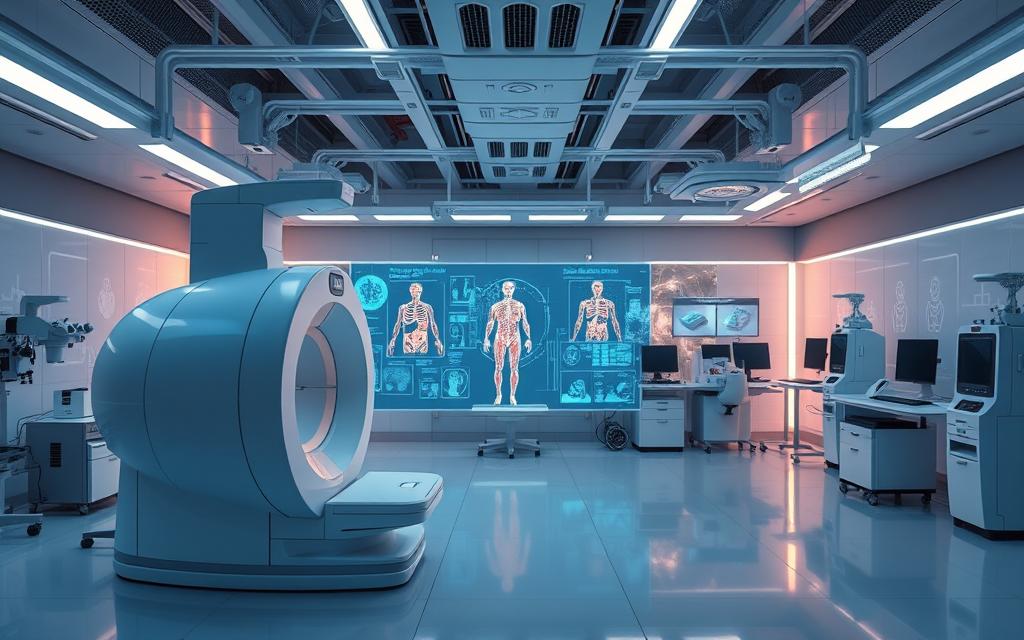
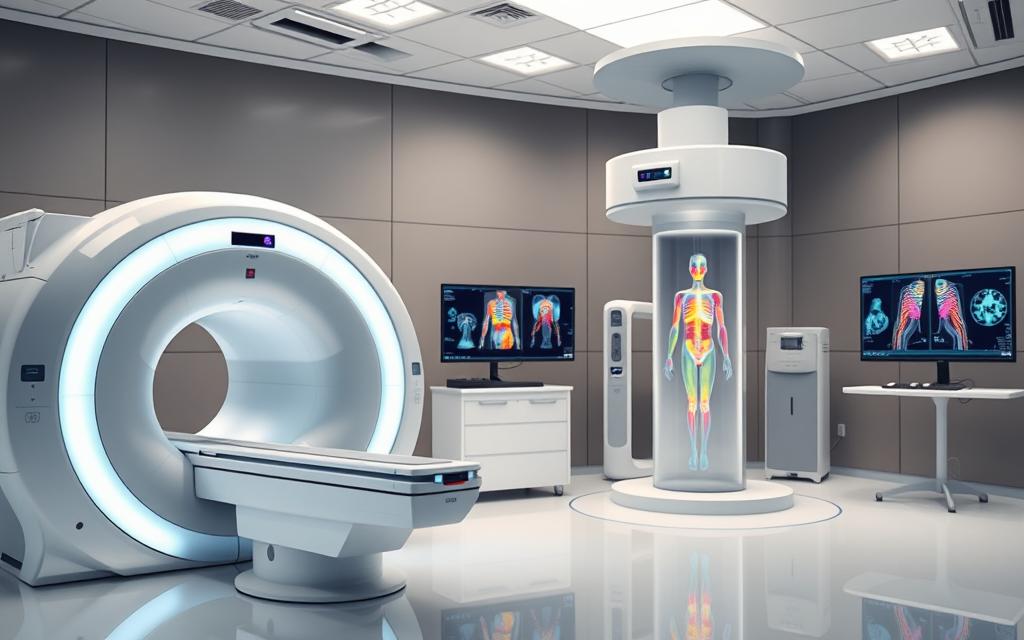
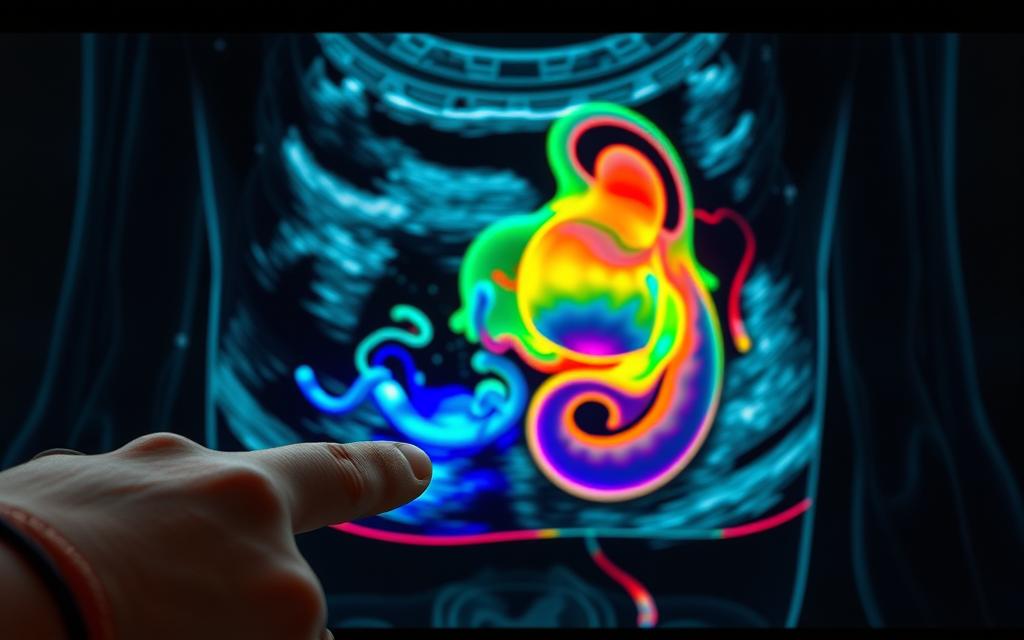
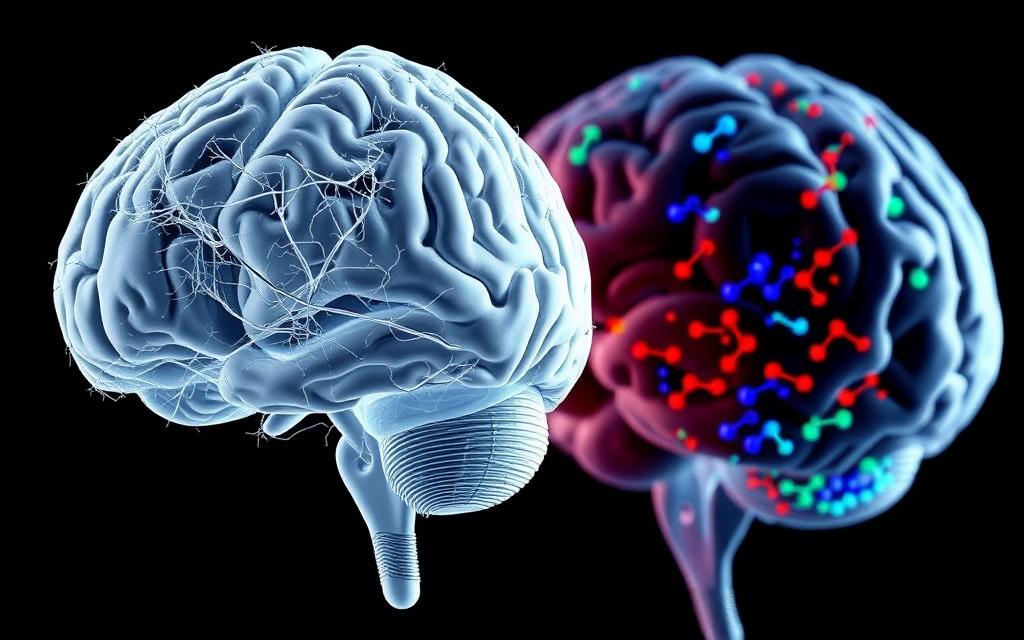
Modern medicine has made huge strides in seeing what’s inside our bodies. X-rays and MRI scans were great, but now we have diagnostic imaging techniques that go way beyond them.
These new technologies are key in today’s healthcare. They give doctors a deep look into how our bodies work and what they look like in ways we couldn’t imagine before.
Systems like PET/CT hybrids and PET/MRI scanners offer top-notch images. Three-dimensional ultrasound computed tomography is also safer and gives clearer pictures.
This new tech helps doctors make better diagnoses and tailor treatments to each patient. The field keeps growing, giving healthcare pros tools that make a big difference in many areas of medicine.
Today’s healthcare uses advanced imaging to see the human body in new ways. These technologies go beyond old methods, giving doctors deep insights into our bodies.
Medical imaging shows us tissues, organs, and how they work. It’s different from old methods because it shows more details about how our bodies work.
These tools use things like magnetic fields, sound waves, and light. Each one helps doctors see different parts of our bodies in detail.
“Advanced imaging combines physics, engineering, and medicine to show us things we couldn’t see before.”
These technologies are better than old ones because they show more detail. They can see how our bodies work, not just what they look like.
These tools help doctors in many ways. They can spot problems early, track how diseases spread, and guide treatments. They also help doctors make better decisions and improve patient care.
Detect pathological changes at earlier stages
Provide quantitative assessment of disease progression
Guide minimally invasive procedures with precision
Monitor treatment response in real-time
Reduce diagnostic uncertainty through multi-parameter imaging
These technologies have changed how doctors work. They help in many areas, from finding cancer to understanding the brain. They give doctors the information they need to help patients.
Imaging Modality
Primary Applications
Key Advantages
PET Imaging
Oncology, Neurology
Metabolic activity visualisation
Functional MRI
Neuroscience, Surgery Planning
Brain activity mapping
Contrast-Enhanced US
Cardiology, Abdominal Imaging
Real-time vascular assessment
Optical Coherence Tomography
Ophthalmology, Dermatology
Microscopic resolution imaging
New technologies are being combined to give doctors even more information. This means doctors can see more about our bodies in one go.
These advanced imaging tools are at the heart of modern medicine. They help doctors understand and treat diseases better. They show how technology and science are always improving our healthcare.
Limitations of Traditional X-Ray and MRI Scans
Traditional X-rays are good for some things, but MRI scans are better for soft tissues without using radiation. Yet, both have big problems. They can’t give detailed info on how tissues work or what’s happening inside them.
Spatial Resolution and Contrast Issues
X-rays struggle to tell soft tissues apart. They mainly show density, which is great for bones but not for soft tissues.
These X-ray problems include:
Poor contrast between organs and tissues
Overlapping structures making it hard to diagnose
Can’t spot early signs of disease
MRI scans are better for soft tissues but have their own issues. They use strong magnets and radio waves for detailed images. But, some things need even more detail.
MRI’s problems with spatial resolution are:
Long scanning times slow down patient flow
Artifacts from patient movement during scans
Can’t see very small structures well
Gaps in Functional and Metabolic Visualisation
The biggest problem with traditional methods is they can’t show how the body works. X-rays and MRI mainly show what’s there, not how it’s working.
MRI doesn’t use radiation, but it can’t show metabolic activities in real-time. This is a big issue for diseases like cancer or neurological disorders. These diseases often show changes in metabolism before they show up in structure.
The problems with not seeing metabolic changes include:
Can’t track biochemical processes in real-time
Can’t assess tissue perfusion and oxygenation well
Can’t see molecular changes
This means diseases might only be caught when they’re far along. This makes it hard to treat them early, which is bad for patients.
Nuclear Medicine Techniques: PET and SPECT
PET and SPECT imaging are changing how we diagnose diseases. They show how the body works and where diseases start. These methods give doctors a new way to see inside the body.
Principles and Applications of PET Scans
Positron Emission Tomography (PET) scans are amazing. They find changes in the body at a molecular level. This is done with special tracers that light up when they meet other particles.
One of these tracers, FDG, is used a lot in cancer research. It finds cancer cells because they use a lot of sugar. Doctors can see where cancer is, how it’s growing, and if treatments are working.
PET scans are also great for checking the brain and heart. They show how well the brain works in people with dementia and where blood flow is low in the heart. This helps doctors understand diseases better and how well treatments are working.
SPECT Imaging in Cardiology and Neurology
Single Photon Emission Computed Technology (SPECT) uses special cameras and radioisotopes to make detailed images. SPECT imaging applications are important in cardiology and neurology.
In cardiology, SPECT is key for checking blood flow in the heart. It finds problems like blocked arteries. Doctors use this to diagnose heart disease and check how well treatments work.
For the brain, SPECT helps find issues with blood flow and brain function. It’s used to spot problems like epilepsy and Alzheimer’s. It shows how the brain works in ways that other scans can’t.
PET and SPECT are getting even better with new tracers. These advanced imaging tools are some of the most powerful in medicine today.
Advanced Computed Tomography: High-Resolution and Dual-Energy CT
Computed tomography is getting better, thanks to new tech. High-resolution cone-beam CT and dual-energy CT are big steps forward. They help solve problems that old imaging can’t handle.
Cone-Beam CT for Detailed Anatomical Visualisation
Cone-beam CT is a big deal in high-resolution imaging. It uses a special X-ray beam and a flat-panel detector. This combo captures detailed 3D images.
These images are super useful for dental implant planning. Surgeons can see bone quality and nerve positions clearly. It’s a game-changer for dental work.
Orthopaedic fields also benefit a lot. Cone-beam CT helps with complex fractures and joint issues. It’s better than old CT because it’s more precise and uses less radiation.
Some key uses are:
Dental and maxillofacial surgical planning
Orthopaedic fracture assessment and surgical guidance
ENT procedures needing detailed bone visualisation
Interventional radiology procedures needing real-time 3D imaging
Dual-Energy CT for Material Differentiation
Dual-energy CT is another big step. It uses two X-ray energies to get data. This lets it tell different materials apart, not just their density.
This is super useful for gout diagnosis. Dual-energy CT can spot urate crystals early on. It’s a big help for gout patients.
Vascular imaging also gets a boost. Dual-energy CT makes it easier to see blood vessels and soft tissues. It’s better than regular CT angiography. Plus, it can figure out what kind of kidney stones you have without surgery.
Benefits include:
Accurate gout diagnosis through urate crystal detection
Enhanced vascular imaging with improved plaque characterisation
Renal stone composition analysis for treatment planning
Virtual non-contrast imaging that reduces radiation exposure
These new CT methods are solving big problems. They give doctors better tools for diagnosing and treating patients. Plus, they make exams faster and safer than before.
Enhanced Ultrasound Methods: Elastography and Contrast-Enhanced US
Ultrasound has evolved to offer more than just images. It now provides detailed information about tissue and blood flow. These advancements keep ultrasound non-invasive, making it safer for patients.
Shear Wave Elastography in Liver Disease Assessment
Shear wave elastography is a major leap in liver disease imaging. It measures tissue stiffness by sending shear waves through organs. The speed of these waves shows how elastic the tissue is.
This method is mainly used to check liver fibrosis. Unlike biopsies, elastography ultrasound gives quick results without surgery. It measures liver stiffness in kilopascals, helping doctors stage the disease.
It’s great for tracking liver conditions over time. Doctors can see how fibrosis changes. It also helps check how well treatments work for liver diseases.
Microbubble-Enhanced Ultrasound for Vascular Imaging
Contrast-enhanced US uses tiny gas bubbles to improve blood vessel views. These bubbles make ultrasound signals stronger when they hit sound waves.
This tech helps spot blood vessel problems and blood flow better. It’s good for finding lesions in organs like the liver and kidneys. It also shows blood flow in real-time during procedures.
Its main benefits are better lesion detection and less need for extra scans. It’s safer than other contrast agents. This makes contrast-enhanced US great for patients who can’t have CT or MRI contrast.
Both elastography and microbubble-enhanced ultrasound show how ultrasound is changing in diagnostics. They give functional info that goes beyond just images. This makes patient assessment complete and non-invasive.
Optical Imaging: Confocal Microscopy and Optical Coherence Tomography
Optical imaging uses light to show details at a cellular level. It offers high resolution for looking at living tissues without surgery. This field has changed how doctors examine tiny structures in real time.
Two key technologies stand out in this area. They each have special benefits for certain medical uses but are non-invasive. Their creation marks a big leap forward in seeing inside the body.
Optical Coherence Tomography in Retinal Diagnostics
Optical coherence tomography has changed eye care by showing detailed images. It works like ultrasound but with light. These images show the eye’s layers in great detail.
OCT retinal imaging helps spot diseases early, like macular degeneration and glaucoma. Doctors can track how these diseases change and how well treatments work. This quick test gives a lot of information.
Today’s systems use smart algorithms for quick analysis. They can even make 3D models for better planning. The tech is getting faster and clearer.
Confocal Endomicroscopy for Real-Time Tissue Analysis
Confocal endomicroscopy lets doctors see microscopic details during endoscopies. It checks tissue health during stomach or bowel exams. This way, doctors can make decisions without needing lab tests.
The use of confocal endomicroscopy isn’t just for the stomach. It’s useful for many parts of the body. It makes getting a diagnosis faster. Doctors can see what they need to do right away.
These optical diagnostics are at the forefront of non-invasive imaging. They keep getting better, thanks to new tech and ideas. Soon, they might even use artificial intelligence to help diagnose diseases.
Molecular and Functional Imaging: DTI and MRS
Advanced MRI techniques now give us deep insights into tissue structure and metabolism. These methods show how tissues work, not just what they look like.
Diffusion Tensor Imaging for Neural Tract Mapping
Diffusion Tensor Imaging is a game-changer in brain studies. It tracks water movement in brain tissue.
White matter tracts help different brain areas talk to each other. DTI shows these paths by looking at water movement.
This tech has many uses:
Planning brain surgery
Checking brain injury damage
Tracking multiple sclerosis
Studying brain diseases
Neurosurgeons love DTI for keeping important brain paths safe during surgery. It maps fibre tracts in colour, helping avoid damage.
Magnetic Resonance Spectroscopy for Metabolic Profiling
Magnetic Resonance Spectroscopy lets us see tissue biochemistry without cutting. It finds specific chemicals in tissues.
This method spots chemicals by their magnetic signals. It shows what’s in tissues, helping us see health or disease.
It’s used for:
Telling tumour types apart
Seeing how treatments work
Finding brain metabolic issues
Checking epilepsy damage
Oncologists use MRS to tell if growths are new tumours or just damaged tissue. It gives clues that regular images can’t.
These MRI advances are big steps forward in medicine. They help find problems early and track them closely with unique insights.
Hybrid Imaging Systems: PET-CT and PET-MRI Integration
Hybrid imaging is changing how we diagnose diseases. It combines different imaging methods to give doctors a complete view of what’s happening in the body. This helps them understand diseases better than ever before.
By joining positron emission tomography (PET) with computed tomography (CT) or magnetic resonance imaging (MRI), we get powerful tools. These hybrid imaging systems give doctors the information they need to make better decisions. This is true for many medical fields.
PET-CT in Oncological Staging and Treatment Planning
PET-CT is changing how we fight cancer. It shows where cancer is and how it’s working. This is something that PET or CT alone can’t do.
In PET-CT oncology, doctors can better understand cancer. They can see how well treatments are working and find cancer that has come back. This helps them make better plans for treatment.
This method helps doctors plan radiation therapy better. It finds the cancer that needs treatment and avoids treating healthy tissue. It also helps avoid mistakes by telling the difference between cancer and other conditions.
PET-MRI for Advanced Soft Tissue and Functional Fusion
PET-MRI is great for seeing soft tissues and how they work. It’s excellent for looking at the brain, muscles, and organs in the belly. This is because it combines detailed images with metabolic information.
The PET-MRI advantages include less radiation than PET-CT. This is good for kids and for studies that need to be done over time. It also means that MRI and PET images match up perfectly.
This technology is perfect for brain studies because it combines MRI’s detailed images with PET’s metabolic data. It’s also very useful for studying cancer in the prostate, liver, and breast. This is because it can tell the difference between different tissues very well.
These hybrid imaging systems are the future of medical diagnosis. They give doctors all the information they need to tailor treatments for each patient. This is a big step forward for many medical fields.
Emerging Technologies: Photoacoustic and Magnetomotive Imaging
Medical diagnostics are getting a boost from new technologies. Photoacoustic imaging and magnetomotive ultrasound are leading the way. They help us see biological processes in new ways.
Photoacoustic Imaging for Haemoglobin-Based Contrast
Photoacoustic imaging combines light and sound to create detailed images. It uses laser pulses to make ultrasound waves from tissue. This shows how light is absorbed in the body.
This method is great for seeing haemoglobin, which is key for vascular structures. It doesn’t need special contrast agents. This is why it’s useful for cancer research.
“Photoacoustic imaging bridges the gap between optical contrast and ultrasound depth penetration, providing new views on tissue oxygenation and vascularisation.”
It’s being looked at for tumour studies. Cancer tissues have different blood vessels and oxygen levels. It’s also good for breast cancer and tracking treatment effects.
Magnetomotive Ultrasound with Magnetic Nanoparticles
Magnetomotive ultrasound uses magnetic nanoparticles for contrast. These particles move with an external magnetic field. Ultrasound then picks up this movement.
This method is very sensitive for finding specific molecules. It’s being researched for many uses:
Early signs of inflammatory diseases
Spotting cancer cells
Looking at heart plaque
Diagnosing neurological disorders
The table below compares these two emerging technologies across key parameters:
Feature
Photoacoustic Imaging
Magnetomotive Ultrasound
Primary Contrast Mechanism
Endogenous haemoglobin absorption
Exogenous magnetic nanoparticles
Spatial Resolution
50-500 micrometres
100-1000 micrometres
Imaging Depth
Up to 5-7 centimetres
Up to 8-10 centimetres
Current Clinical Applications
Oncology, dermatology
Cardiology, targeted therapy
Both technologies are big steps forward in medical imaging. Photoacoustic imaging gives us clear haemoglobin contrast. Magnetomotive ultrasound is great for finding specific molecules. They’re changing how we diagnose diseases in many fields.
Clinical Applications and Future Trends in Advanced Imaging
Medical imaging has changed how we treat patients. It gives us new insights into the body. Now, we can use these insights to make treatments more personal and precise with the help of artificial intelligence.
Personalised Medicine through Advanced Imaging
Advanced imaging is key in personalised medicine. It helps doctors understand diseases at a detailed level. This way, treatments can be made just for each patient.
Some important uses are:
Quantitative tumour profiling for targeted cancer therapies
Pre-treatment response prediction using functional imaging biomarkers
Longitudinal monitoring of treatment efficacy with advanced metrics
Early detection of subclinical disease manifestations
This method is a big step away from one-size-fits-all medicine. It allows for treatments that really fit a patient’s needs and how their body reacts.
Artificial Intelligence and Machine Learning in Image Analysis
The use of AI in medical imaging is a big deal in radiology. Machine learning is changing how we handle medical images. It’s making analysis faster and more accurate.
A study in PMC medical journal shows AI can do complex tasks that used to need a lot of human work. This is a big improvement.
AI is being used in many ways in medical imaging, like:
Automated image segmentation for precise anatomical measurements
Pattern recognition algorithms for early disease detection
Predictive analytics for treatment outcome forecasting
Workflow optimisation through intelligent prioritisation systems
These tools help doctors make more accurate diagnoses faster. This means radiologists can focus on the tough cases while AI handles the routine ones.
The mix of advanced imaging and AI is leading to better, more tailored care. As these areas grow, we can expect even more precise and efficient treatments for each patient.
Conclusion
Medical imaging has changed a lot, moving beyond old X-rays and MRI. Now, we have PET-CT, optical coherence tomography, and elastography. These new tools give us detailed views of the body’s inside.
They help us see better and understand how things work inside the body. This is a big step forward. It lets doctors see and understand more than before.
These new systems and technologies help doctors make better plans for patients. They use artificial intelligence to make treatment plans that fit each person. This leads to better care for patients with heart, brain, and cancer problems.
The future of medical imaging looks bright. We’re going to see even more advanced tools like photoacoustic imaging and magnetomotive techniques. These will make doctors even better at finding and treating diseases.
Computers will play a big role in making these tools work even better. This will help doctors solve some of the toughest medical puzzles. It’s an exciting time for medical imaging.
FAQ
What is advanced imaging technology?
Advanced imaging technology uses new methods to see inside the body. It goes beyond old techniques like X-rays and MRI. These new tools give clear pictures of what’s inside, helping doctors make better plans for treatment.
What are the limitations of traditional X-ray and MRI scans?
X-rays struggle to show soft tissues clearly and have limited contrast. MRI is better for soft tissues but has its own limits. Both mainly show structure, not how things work or what’s happening inside the body.
How do PET and SPECT scans work and what are their applications?
PET scans use special tracers to see how active tissues are. This is key in finding cancer, studying the brain, and heart health. SPECT scans create 3D images of the body’s functions, like the heart’s blood flow and brain activity.
What advancements have been made in computed tomography?
New CT scans, like cone-beam CT, give detailed 3D images. They’re great for dental and bone studies. Dual-energy CT can spot different materials, helping in diagnosing conditions like gout and vascular diseases.
How do enhanced ultrasound methods like elastography and contrast-enhanced ultrasound improve diagnostics?
Elastography shows how stiff tissues are, helping diagnose liver diseases without a biopsy. Contrast-enhanced ultrasound uses bubbles to improve blood flow images. This helps spot liver lesions and study blood flow in real-time.
What role does optical imaging play in modern diagnostics?
Optical coherence tomography (OCT) gives detailed retina images, vital for eye diseases. Confocal endomicroscopy lets doctors see tissues live during procedures, making quick diagnoses without biopsies.
How do advanced MRI techniques like DTI and MRS contribute to functional and molecular imaging?
DTI maps brain tracts, key for brain surgery and studying brain diseases. Magnetic resonance spectroscopy (MRS) measures tissue metabolism, helping identify tumours and track treatment effects.
What are the benefits of hybrid imaging systems like PET-CT and PET-MRI?
PET-CT combines CT’s structure with PET’s function, changing how we plan cancer treatments. PET-MRI offers better soft tissue views and metabolic data, reducing radiation and improving diagnosis in many areas.
What emerging imaging technologies show promise for the future?
Photoacoustic imaging uses light and sound to highlight blood vessels and oxygen levels in tumours. Magnetomotive ultrasound detects magnetic nanoparticles, promising to spot specific cells or molecules more accurately.
How is advanced imaging shaping personalised medicine and integrating with artificial intelligence?
Advanced imaging helps tailor treatments by showing detailed disease information. Artificial intelligence and machine learning are making image analysis faster and more accurate. This leads to quicker, more precise diagnoses and better workflow in radiology.